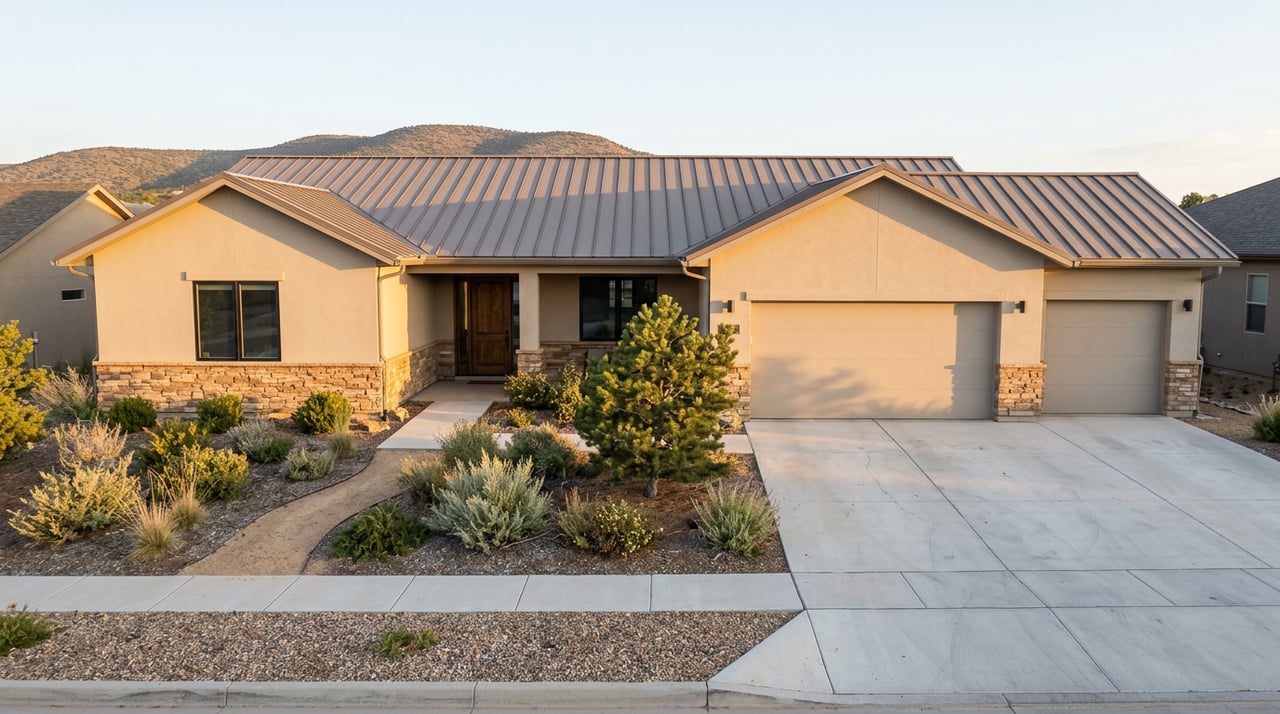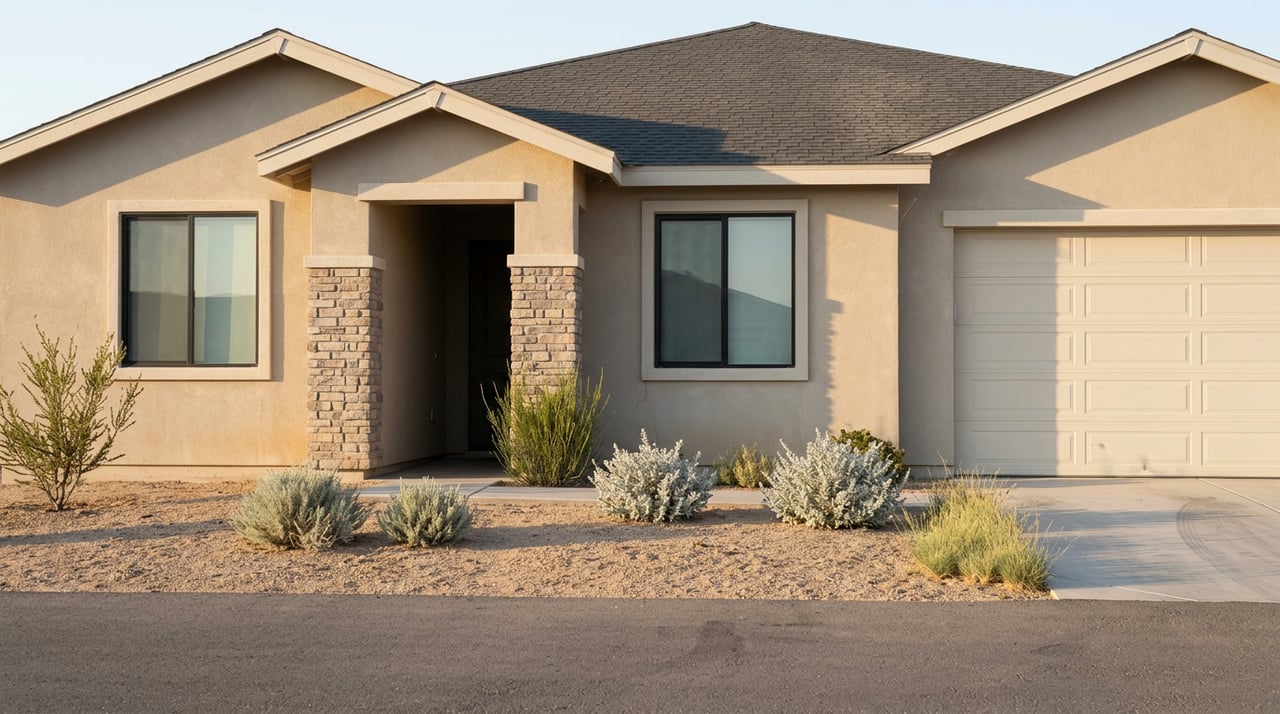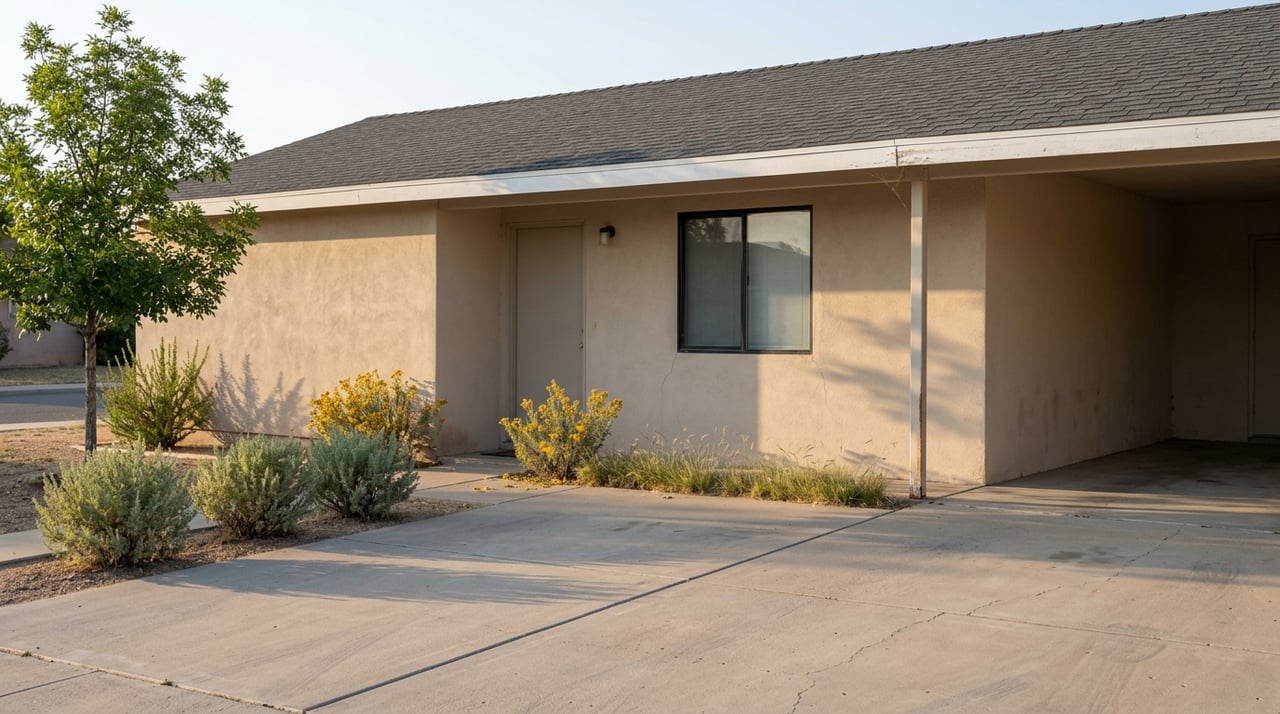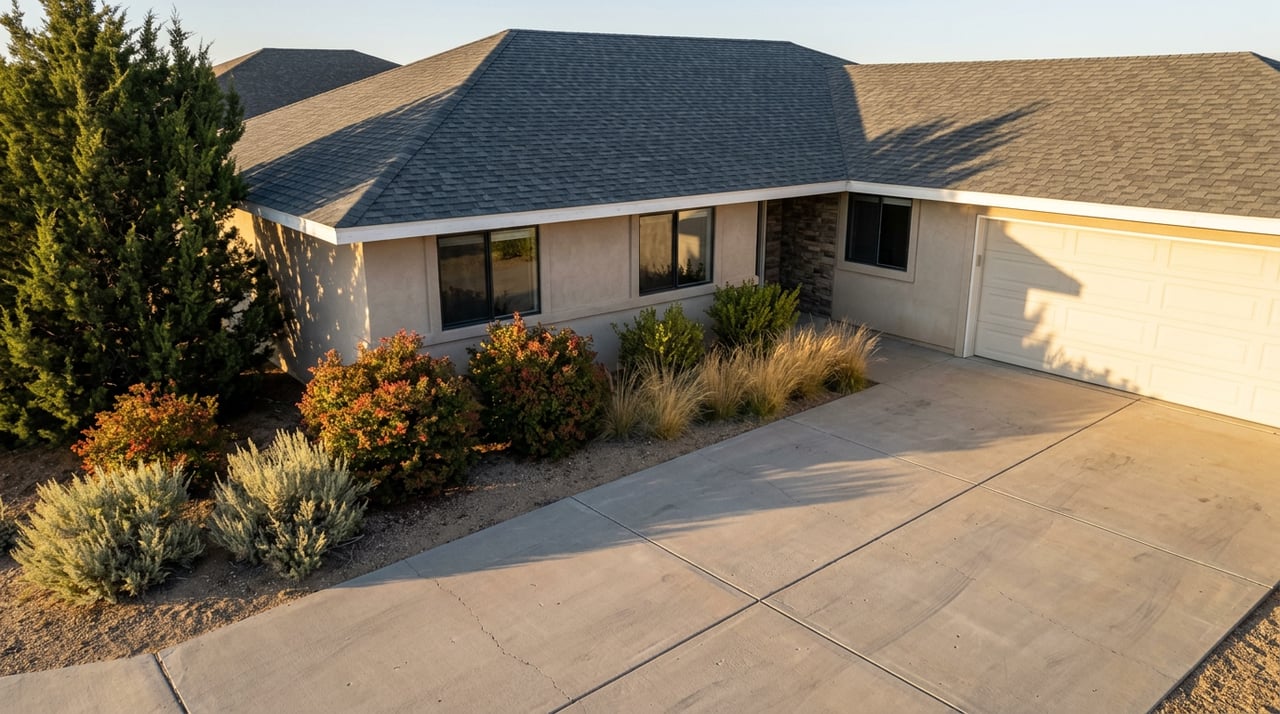
Sellers spend weeks worrying about the number. What will the appraisal say. Whether a buyer's agent will push back on the list price. Whether a competing listing three blocks over will undercut them by ten thousand dollars.
Then the deal falls apart over a form nobody read carefully, or a disclosure nobody knew existed.
That is the pattern we see more often in Elko than a straightforward pricing dispute. Nevada is a strict disclosure state, and two pieces of that requirement catch sellers off guard here in ways they wouldn't in Reno or Las Vegas. One is a form every residential seller signs. The other is a rule most sellers have never heard of, and it has nothing to do with the condition of the house.
The Form Everyone Signs and Half Don't Read Closely
Nevada law requires almost every residential seller to complete and deliver a Seller's Real Property Disclosure Form before closing. It's a standardized document from the Nevada Real Estate Division, and it asks a seller to check "Yes," "No," or "Unknown" on the condition of the home's electrical, heating, cooling, plumbing, and sewer systems, plus anything else that affects value or use.
The part sellers underestimate is what checking "No" actually means. Under state law, it's an affirmative statement that a defect does not exist, not a shrug or a guess. If a seller checks "No" on a system they never actually verified and a problem surfaces after closing, Nevada Revised Statute 113.150 allows the buyer to recover three times the cost of repair, plus court costs and attorney's fees. A ten-thousand-dollar repair becomes a thirty-thousand-dollar judgment.
Selling a home "as-is" doesn't remove this obligation. As-is waives the seller's duty to make repairs. It does not waive the duty to disclose what's already known. The two get confused constantly, and it's an expensive mix-up.
The Disclosure That Has Nothing to Do With the House
Here's the part that's genuinely different about selling in Elko compared to almost anywhere else in the state.
Nevada law requires a separate written disclosure for any home or lot adjacent to open range. Before a buyer signs a sales agreement, the seller has to tell them, in a standalone document, about the presence of certain rights-of-way and the possibility of livestock entering the property. It's covered under NRS 113.065, and in most of the state it's a rare footnote. In Elko County, where grazing land runs right up against the edges of established neighborhoods, it's a real, non-boilerplate question that has to get answered correctly before the sales agreement is signed, not after.
Sellers in newer subdivisions closer to the center of town may not need to worry about it. Sellers on parcels that border BLM or ranch ground absolutely do, and skipping it isn't a paperwork shortcut. It's a disclosure gap that can unwind a signed agreement.
What Elko Inspectors Actually Find
Once the paperwork is sorted, the inspection itself tends to turn up a short list of the same things, over and over, and they're specific to this climate and this housing stock.
Plumbers working in Elko report a recurring pattern of cracked and ruptured pipes tied to contracting soil, a side effect of how dry the ground gets here. It's not a sign of a poorly built home. It's a function of the region, and it shows up across price points and property ages.
Evaporative cooling is still common in Elko's housing stock, particularly in older neighborhoods like Cambridge Estates and Humboldt Hills, where the age gap with newer builds in areas like Copper Trails or Ruby Mountain Peaks is visible in the rooflines before you even walk inside. Swamp coolers are efficient for this climate, but they need their pads, pumps, and dampers checked before a home goes on the market, because a unit that hasn't run since last September is not a unit you want a buyer's inspector discovering cold.
Water heaters take a beating here too. Nevada's mineral-heavy water accelerates corrosion and sediment buildup inside tanks, which shortens their working life compared to what a national average would suggest. An inspector who finds a water heater original to a home built in the early 2000s is not being dramatic when they flag it.
None of these are deal-killers on their own. What kills a deal is a seller who didn't know, or didn't say, and a buyer's inspector who found it anyway.
| What buyers actually negotiate on | What actually stalls a closing |
|---|---|
| List price relative to comparable sales | A "No" that should have been "Unknown" |
| Contingency timelines | Open range disclosure delivered after the sales agreement, not before |
| Closing date flexibility | An undisclosed defect discovered mid-escrow |
Why the Timing Adds Pressure Right Now
The reason this matters more this fall than it might have two years ago comes down to the shape of the current market.
Over the three-month window ending in May 2026, Elko homes sold for a median price of about $390,000, down roughly 3.5 percent from the same period a year earlier. At the same time, homes were selling in about 51 days on average, essentially flat compared to the prior year, and the number of homes that actually sold rose from 52 to 63 in that same May comparison. Prices softened a little. Speed and volume did not.
That combination tells a specific story. Buyers have gained a little leverage on price. They have not gained leverage on patience. Homes that are priced and disclosed correctly are still moving in under two months. A disclosure problem discovered three weeks into escrow doesn't just cost repair money. It costs the seller the pace they were counting on.
Part of why the pace has held is the region's largest employer. Nevada Gold Mines, the joint venture Barrick and Newmont formed in 2019 by combining their Nevada gold assets, is the largest gold-producing complex in the world, producing roughly 3.5 million ounces a year across operations that include the Carlin, Cortez, and Turquoise Ridge sites. As of August 2026, job postings across those operations, from process maintenance technicians to underground supervisors, are still active. That kind of steady hiring is what keeps buyers showing up in a market where the median price has dipped slightly. It's demand with a floor under it, not demand that's disappearing.
What This Means If You're Listing This Fall
If a listing is on your calendar in the next few months, the order of operations matters more than the price you eventually choose.
Get a pre-listing inspection before you price the home, not after an offer comes in. If your property borders BLM land or an active grazing lease, confirm that before you draft a sales agreement, not while you're already under contract. If there's a swamp cooler on the roof, have it serviced before the first showing. If the water heater is original to a build from the early 2000s, know its age before an inspector tells a buyer for you.
And when you sit down with the disclosure form, treat "Unknown" as the honest answer it's meant to be. Nevada law doesn't require you to disclose a defect you're not aware of. It does require you to be truthful about what you don't know, and that distinction is what protects you if something surfaces later.
A Few Quick Questions
Does selling "as-is" mean I don't have to fill out the disclosure form? No. As-is waives the seller's obligation to make repairs. It does not waive the legal duty to disclose known defects. The two are separate under Nevada law.
What if I genuinely didn't know about a problem? You're not required to disclose a defect you weren't aware of. That's why "Unknown" exists as an option on the form. It's a legitimate, protective answer when you truly don't know the condition of something.
Does every home in Elko need the open range disclosure? No. It only applies to homes or lots adjacent to open range. Whether a specific parcel qualifies is worth confirming with your agent or a title company before you sign anything, especially if the property sits toward the edges of town.
Selling a home in Elko takes more than a good price and a clean listing photo. It takes getting the paperwork right the first time, because the market right now doesn't leave much room to fix it the second time. If you're thinking about listing this fall and want a second set of eyes on what your disclosure should actually say, Anderson Group has spent years walking Elko County sellers through exactly this. Let's start the conversation.